Carpentry and outdoor work
Decks, finishes, restoration of timber elements and outdoor improvements, depending on the scope of each job.

Bruno Muñoz · Construction Engineer
Experience in Chile and Australia
The Chilean Navy training ship Esmeralda sailing through the Chacao Channel, in front of the bridge's central pier.
I am a construction engineer with experience across projects of different scales, from carpentry and outdoor improvements to infrastructure site coordination and technical works inspection.
BuildOz is where I share my experience, the projects I have contributed to and my approach to construction.

About me
My background combines technical training with practical work. In Chile, I have worked in site supervision, coordination and works inspection. In Australia, I have worked in carpentry, restoration and outdoor construction.
I enjoy hands-on work, organising activities and resolving the details that arise on site. I aim to understand what each project needs, ask questions early and work with others to find solutions.
I have learnt from different teams, trades and ways of building. That learning continues to shape my professional development and what I can contribute to each new job.
Decks, finishes, restoration of timber elements and outdoor improvements, depending on the scope of each job.
Organising activities, coordinating teams and monitoring progress during construction.
Support with reviewing quantities, materials and scope to organise information and make better-informed decisions.

Chacao Bridge | Site Manager, central pier
In 2025, I worked as Site Manager on the construction of the Chacao Bridge's central pier, a major marine infrastructure project delivered under particularly demanding technical and logistical conditions.
My role involved coordinating crews and site activities, planning construction sequences and overseeing work associated with steel reinforcement, formwork, concrete pours, post-tensioning and working at height. The experience strengthened an approach built on planning, communication across trades and disciplined control of every construction stage.


Featured projects

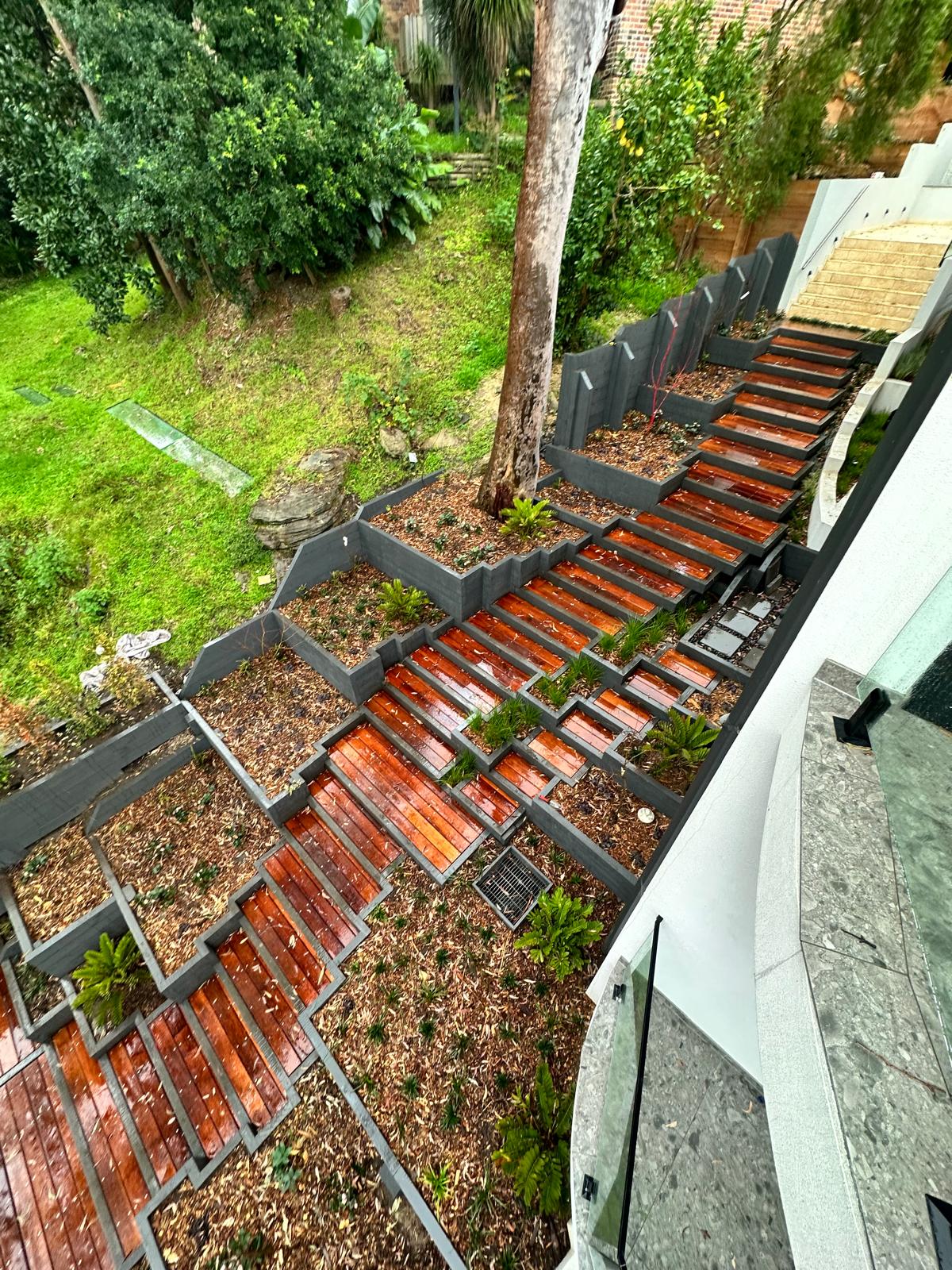
A complete residential landscaping transformation in Sydney, including external redesign, retaining walls, drainage, structural strengthening and full on-site delivery.
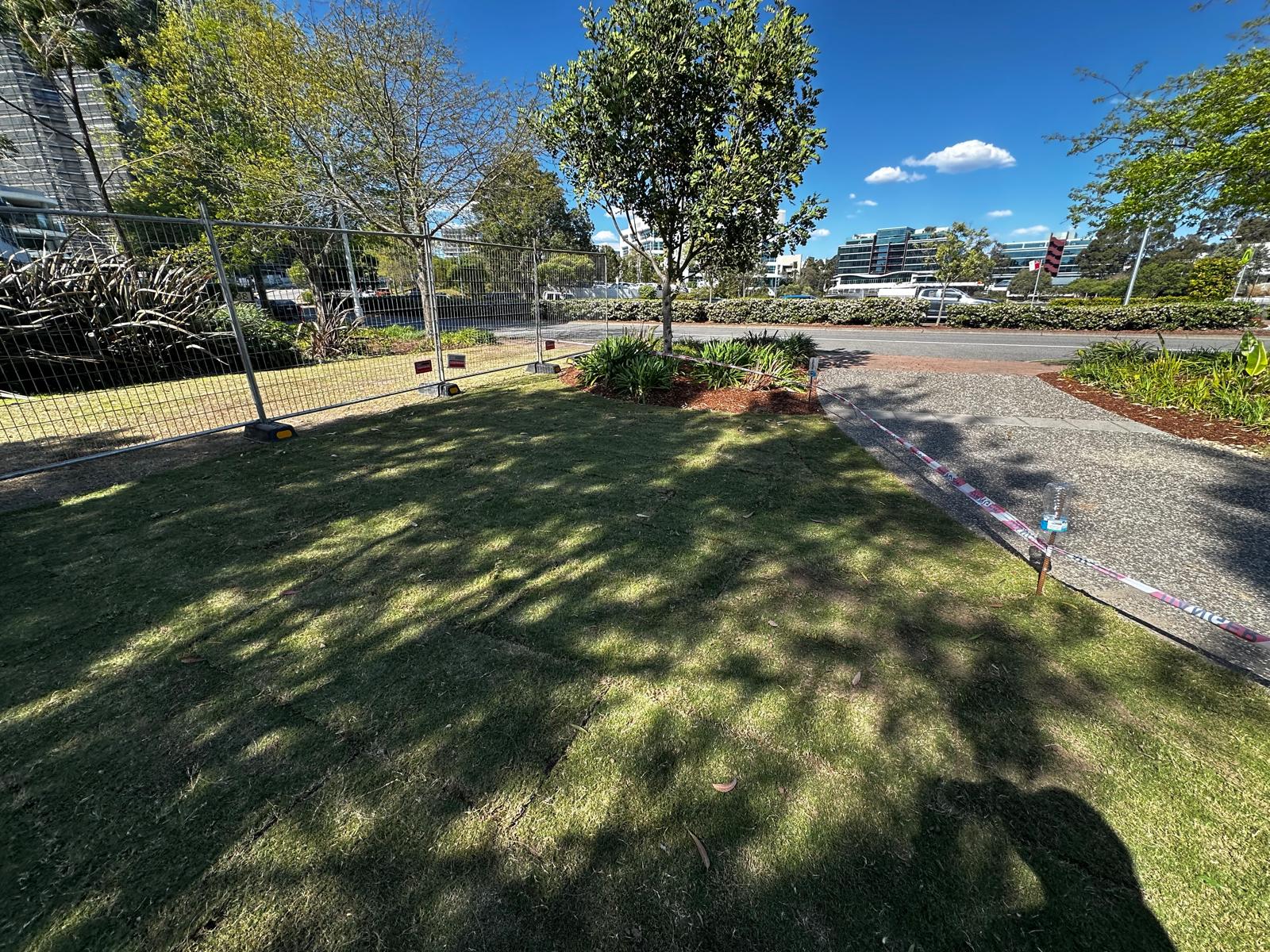
Urban turf preparation focused on subgrade, drainage and finish.
Site Manager on the central pier construction, coordinating crews, activities and construction sequences.
Outdoor work involving vegetation management, clearing and site control before construction.
Repair and strengthening of the steel roof structure on an existing confined-masonry warehouse.
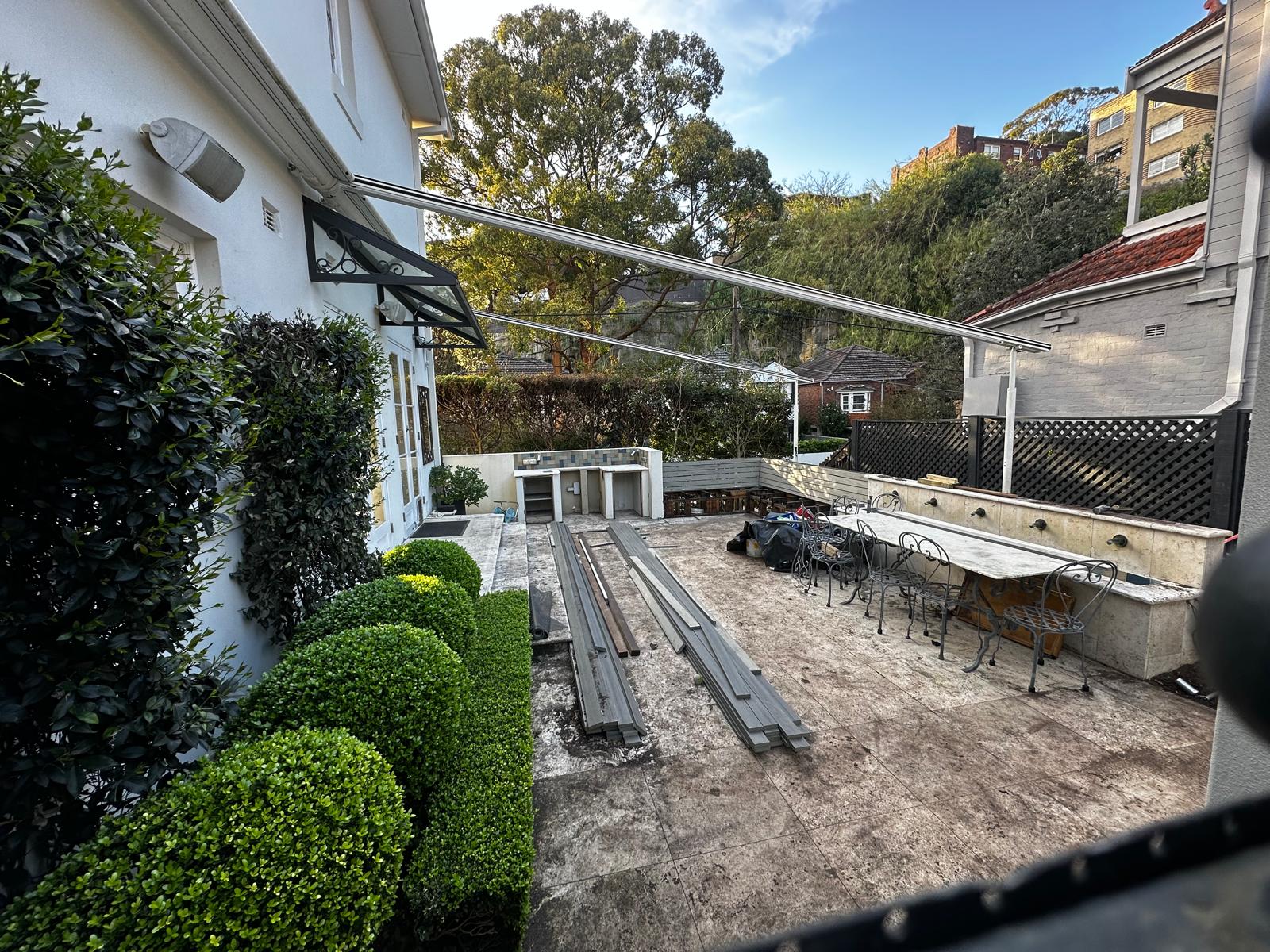
Contribution to the design, measurement checks and finishing work. Fabrication and installation of timber doors and trims for the outdoor cabinet, pressure washing and restoration of marble tiles.
Project stories
In a residential courtyard, quality is not only about the visible materials. It is about water flowing where it should, levels working with door thresholds, circulation feeling natural and the finished work reading as an extension of the home rather than a repair. This type of project requires thinking like both a builder and an end user: where people walk, where water collects, where people sit, where the sun falls and how every junction between timber, paving, planters and walls will age.
The challenge of a compact garden is that there is nowhere for mistakes to hide. A poorly resolved fall is obvious, a joint out of line can be seen from inside the house, and a planter without drainage quickly becomes a problem. That is why the work starts with the base, not the final photo. The project combines preparation, clean cuts, careful level control, external elements and finishes designed to withstand the weather without losing visual order.
Small courtyards are highly sensitive to levels: a few millimetres can affect drainage, door clearances and the visual quality of the finish.
The smaller the space, the more the work resembles furniture making: every edge is close enough to be inspected.
A courtyard is a small piece of infrastructure: water, access, loads and the movement of people still matter.
Good roll-out turf depends less on the green finish than on what sits underneath it. The ground needs to drain, support the surface, remain even and perform under use. In an urban setting, the standard is higher because of hard edges, regular foot traffic, level changes and limited room for later correction. The project is treated as a technical system: soil preparation, falls, drainage, junctions and the final turf finish.
This work combines the precision of external construction with an understanding of how the space will actually be used. It is not enough for the lawn to look green on day one; it needs to feel firm, function well and sit naturally within its surroundings. Properly installed turf addresses mud, dust, irrigation, maintenance and appearance through one coordinated construction decision.
The result is determined below the turf: soil, grading, compaction and drainage decide whether the surface establishes properly or becomes a problem.
People judge the final green surface, but the real work is invisible: how the ground was prepared before the turf arrived.
It is closer to preparing a construction base than decorating: stability, falls and drainage come first; the green surface comes afterwards.
In 2025, I worked as Site Manager on the Chacao Bridge's central pier. The role required coordinating crews, activities and specialist trades on a large-scale marine project, where every stage had to follow a disciplined construction sequence.
The experience consolidated an approach that now underpins BuildOz: understand the problem first, plan clearly, coordinate people and maintain technical control from the site itself.
Construction of the central pier brought together steel reinforcement, formwork, concrete pours, post-tensioning, working at height, surveying and quality control.
On a marine project, logistics, weather and channel conditions form part of the daily plan.
Major-project experience also applies to smaller work: structure, coordination, traceability and control at every stage.
Working with trees and vegetation requires a different reading of the site. It is not simply a matter of clearing: weight, shade, access, fall zones, safety and the effect of the intervention on the wider space all need to be understood. In Bahia's tropical setting, humidity, rapid growth, living soils and the relationship between vegetation and land use make those considerations even more important.
This project reflects an important part of the BuildOz approach: before building, the site must often be prepared, made safe and properly understood. Vegetation can be an obstacle, protection, identity and landscape structure at the same time. Good work means intervening without erasing the character of the place.
Tree work changes the site before construction begins: access, light, safety zones and future maintenance are all affected.
Vegetation is not simply something to remove. At times, it is the strongest design element on the site.
In tropical conditions, the landscape is not a backdrop. It behaves like another construction discipline.
The Grazioli project is particularly interesting because it did not begin with a blank slate. It began with a structure that already had a history. The warehouse combines confined masonry and structural steel, bringing together mass, confinement, local stiffness and strengthening elements that allow the building to keep performing. The structure withstood Chile's 1985 and 2010 earthquakes — not as anecdotes, but as full-scale evidence of its behaviour under major seismic demand.
In Chile, a structural repair is never merely cosmetic. The important questions are how the loads travelled, which elements cracked, which parts continued to perform and where strengthening can be introduced without working against the building's original structural logic. Confined masonry relies on the interaction between walls, columns, bond beams and junctions. Structural steel adds a more ductile and adaptable layer, capable of carrying new demands or spanning roofs with less weight.
Grazioli shows that older does not automatically mean obsolete, and newer does not automatically mean better. Sometimes the right approach is to read the structure, understand why it survived and strengthen it with technical respect. That combination of diagnosis, workmanship and judgement is exactly where practical site experience matters as much as the drawing.
Confined masonry works as a system: walls, columns, bond beams, steel strengthening and roof loads all interact.
A building that survived the 1985 and 2010 earthquakes has already demonstrated something. The job is to understand what that was.
Repairing an old structure is less like replacing parts and more like negotiating with a very stubborn engineer from the past.
Contribution to the design, measurement checks and finishing work. Fabrication and installation of timber doors and trims for the outdoor cabinet, pressure washing and restoration of marble tiles.
Experience in practice
Direct involvement in the central pier construction during 2025, coordinating crews, activities and site work sequences.
Complex logistics, multiple specialist trades, variable environmental conditions and activities requiring continuous planning and control.
A method built on understanding the problem, organising the sequence, coordinating people and technically supporting every decision.
Projects in pictures
A selection of carpentry, vehicle conversion, construction and landscaping work. Photographs are grouped by project, with an explanation of the work and what each image shows.
Vehicle conversions
Design and construction of the interior storage, installation of linings and floor finishing to convert a private van into a mobile workshop.
The photographs show two stages of the conversion: the timber fit-out before finishing, followed by the lined interior and completed floor.
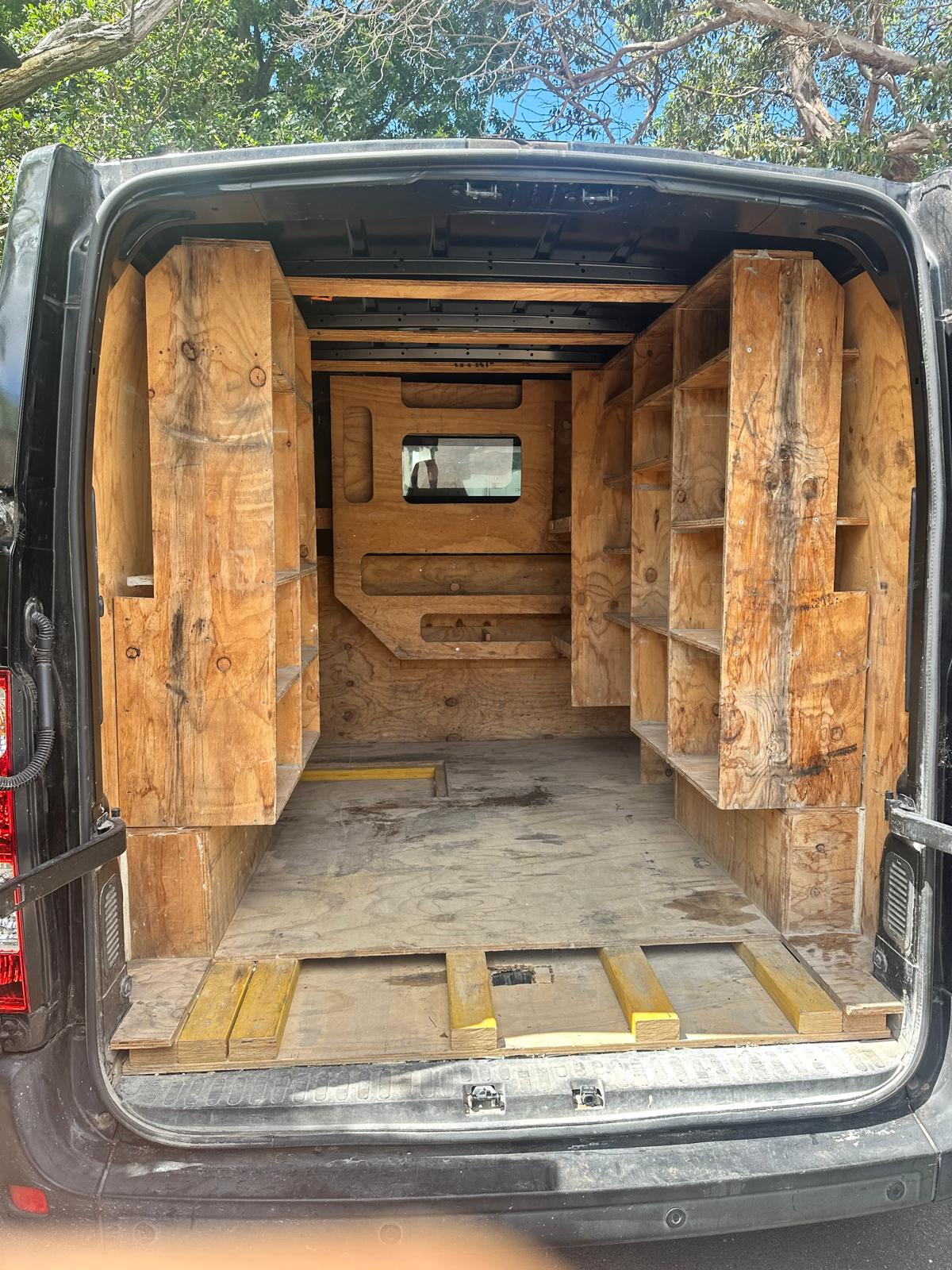
Timber storage and shelving installed, before the final linings and finishes.
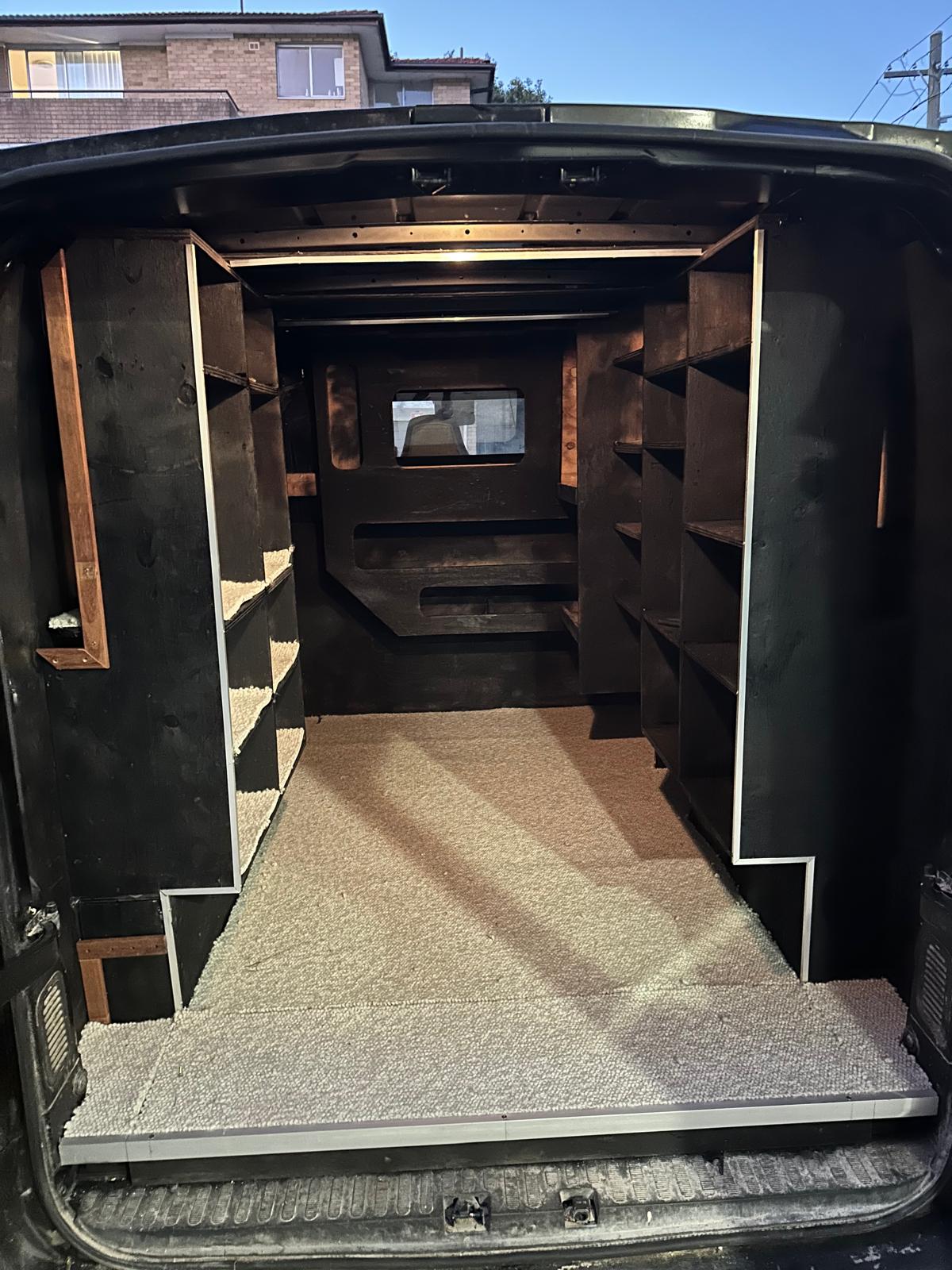
The same interior with lined storage and a finished floor, retaining the central access aisle.
Carpentry and restoration
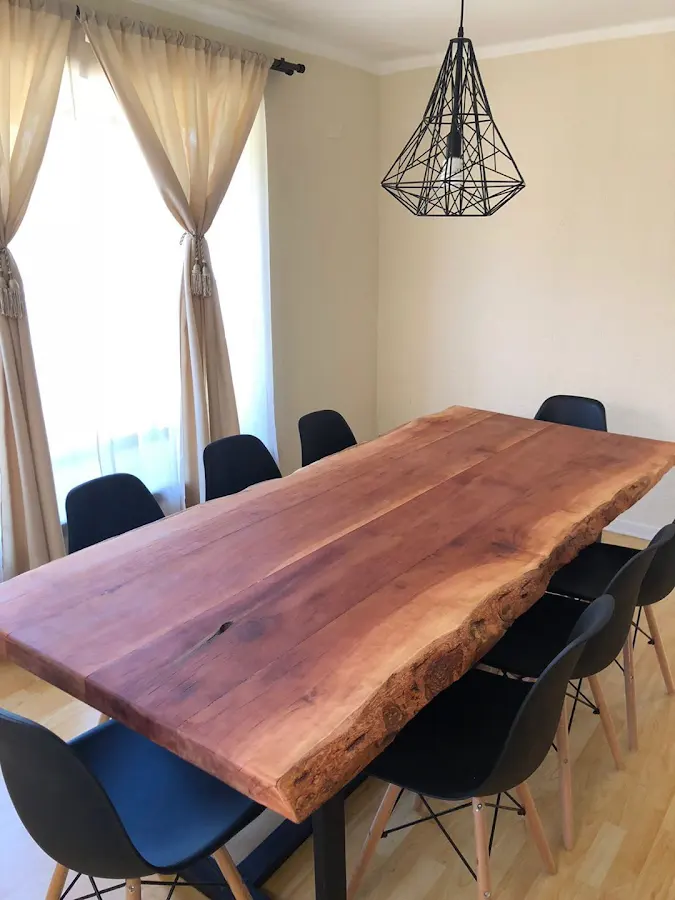
Design, fabrication and installation
Design, fabrication and installation of a live-edge oak table, including timber preparation, sanding and finishing.
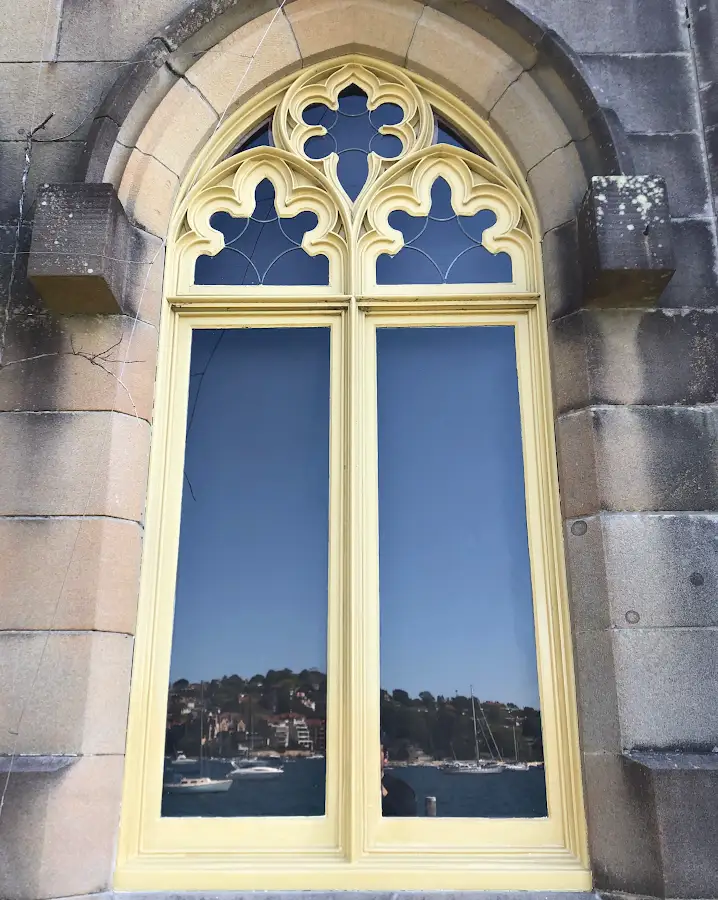
Complete restoration · Sydney
Complete restoration of a fixed timber window at Carthona, a heritage building in Sydney built between 1841 and 1845 for Sir Thomas Mitchell, Surveyor-General of New South Wales.
Construction and infrastructure
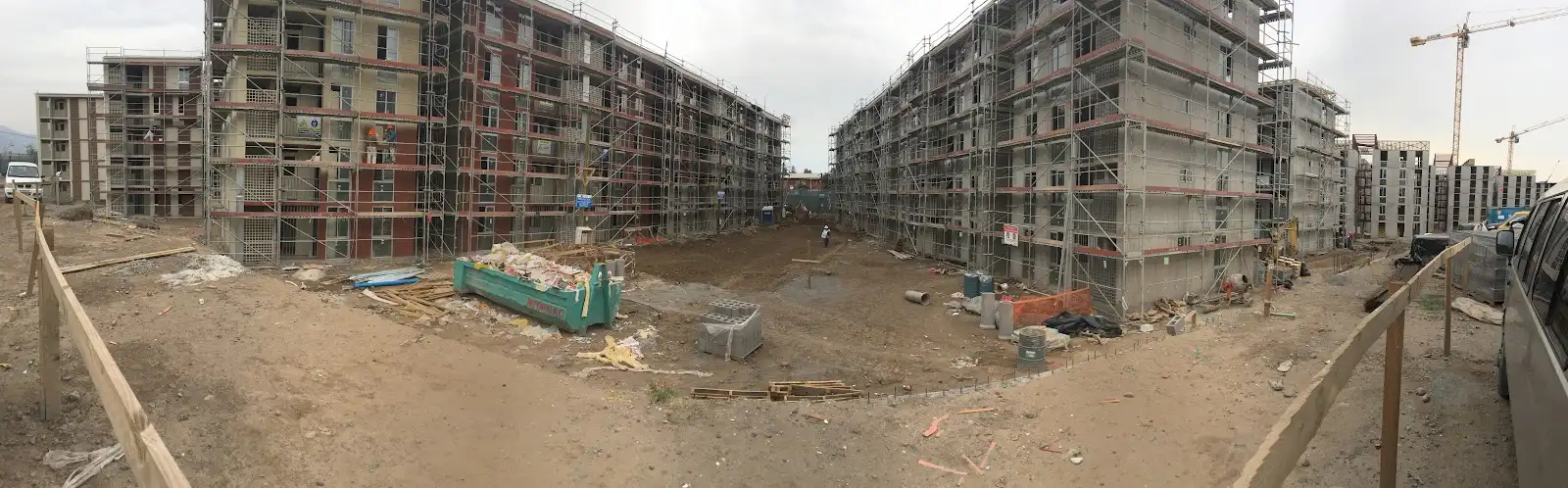
Site Engineer · Macul
Site Engineer for the civil infrastructure works at Portal La Florida, Macul: supervision of potable water, sewerage and paving works, with crew coordination and quality and progress control.
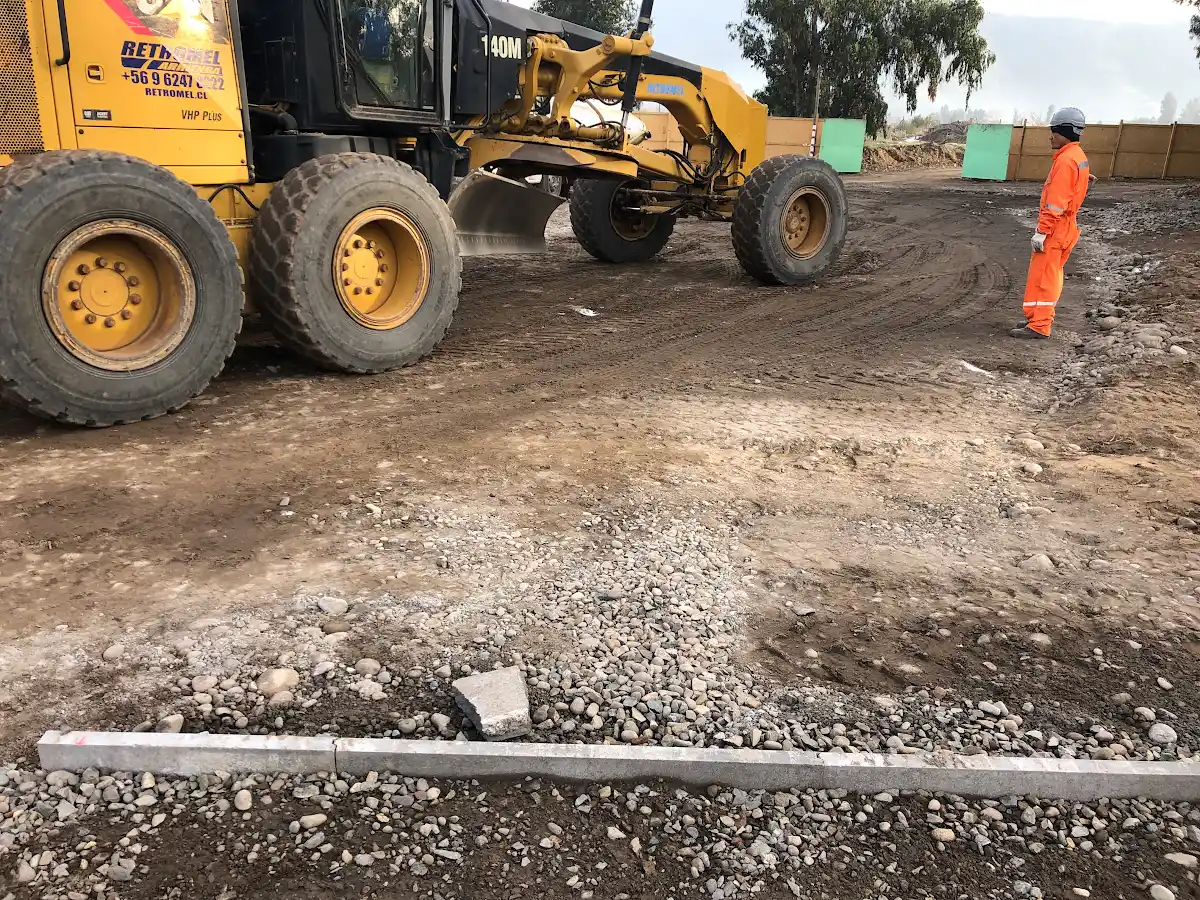
Resident Site Engineer
Resident Site Engineer for the construction of a reinforced concrete skating rink in Talagante. The photograph shows earthworks and site grading with a motor grader.
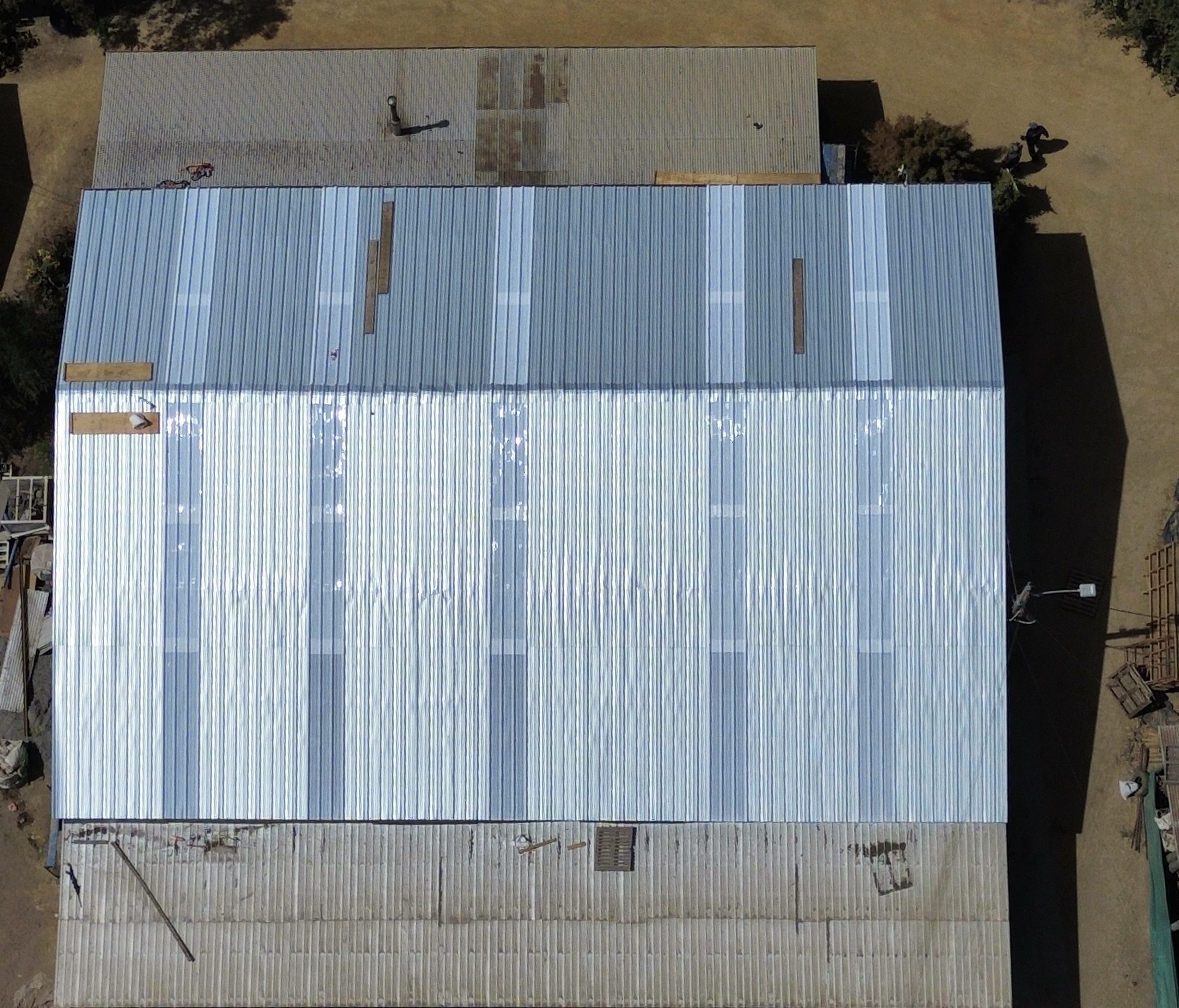
Structural repair and strengthening · Pomaire
Grazioli Warehouse, Pomaire: a new chapter for an existing structure. Assessment, planning and execution of its repair and strengthening, with audiovisual documentation of the entire process.
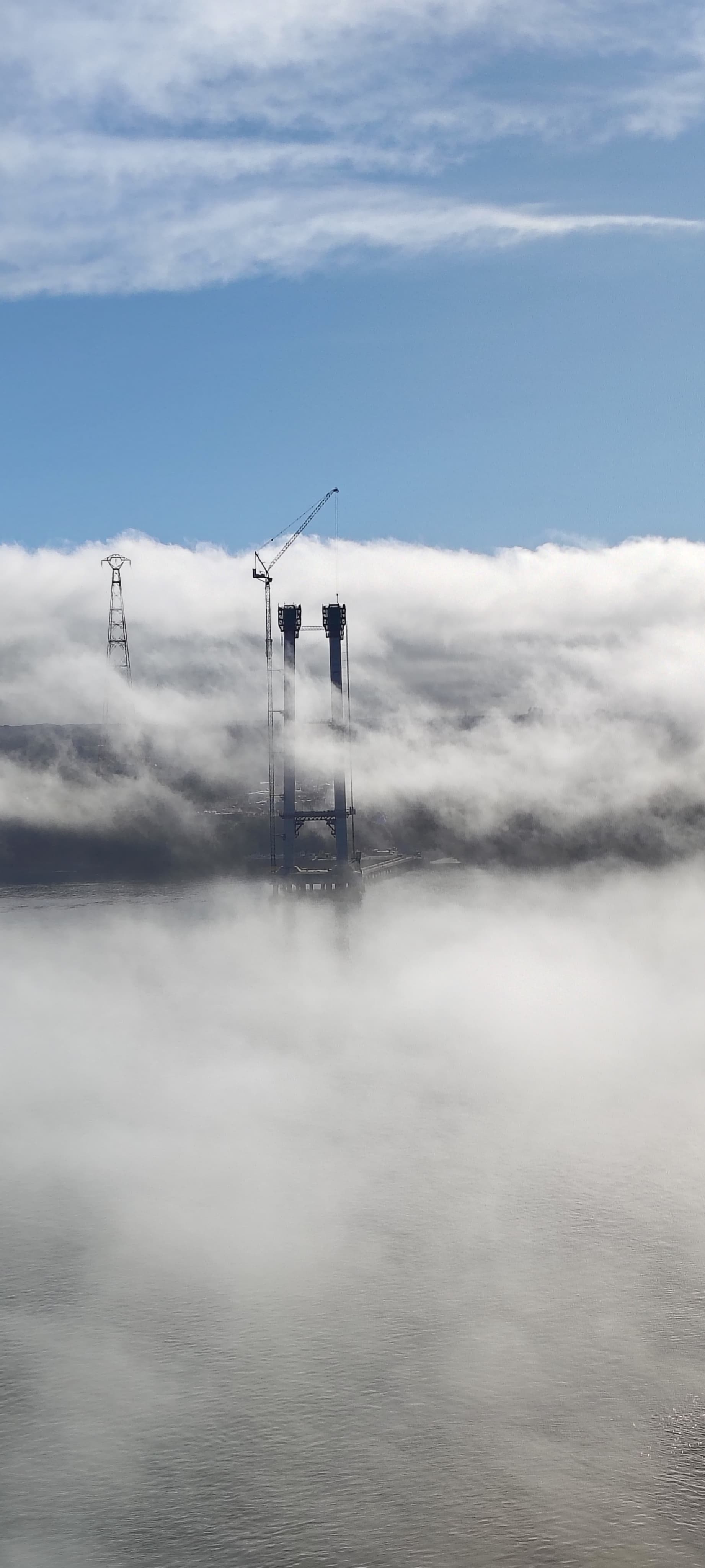
Site Manager
Site Manager on the central pier of Chacao Bridge: crew coordination, supervision of reinforcement, formwork, concrete pours and post-tensioning, and support for the complex logistics of building in the middle of the channel.
Landscaping and site preparation
Site preparation, drainage works, base levelling and installation of cellular reinforcement before laying turf. The gallery follows the stages of the work through to the completed result.
Outdoor carpentry and restoration
Contribution to the design, measurement checks and finishing work. Fabrication and installation of timber doors and trims for the outdoor cabinet, pressure washing and restoration of marble tiles.
Landscaping and outdoor construction
Project Ferrari, Sydney: transforming a sloping site with timber stairs, planters, retaining walls and drainage, incorporating gravity-fed irrigation for every terrace. Design, technical planning, construction and audiovisual production throughout the process.
Design, technical planning, construction and audiovisual production
Let’s talk
If you have a project, need support on site or are looking for a construction engineer to join your team, feel free to get in touch.
Tell me what you need and where the work will take place. We can discuss the scope, my availability and how I could contribute.